
Sensory Gym for Children in Cebu
A safe, purpose-built space where your child can move, play and build the skills to feel calm, confident and ready to learn.
- Child-centred
- One team approach
- Evidence-based
- Families supported

- Movement
- Balance
- Regulation
- Play
What is a sensory gym?
A sensory gym is a therapy space designed for movement and sensory play. Swinging, climbing, jumping, crashing and balancing help children understand their bodies and the world around them.
For many neurodivergent children, movement is how they calm down, focus and feel good in their bodies. Our sensory gym gives them a safe place to do that, with every activity chosen for a reason.
Sessions are led by occupational therapists and built around your child’s goals.
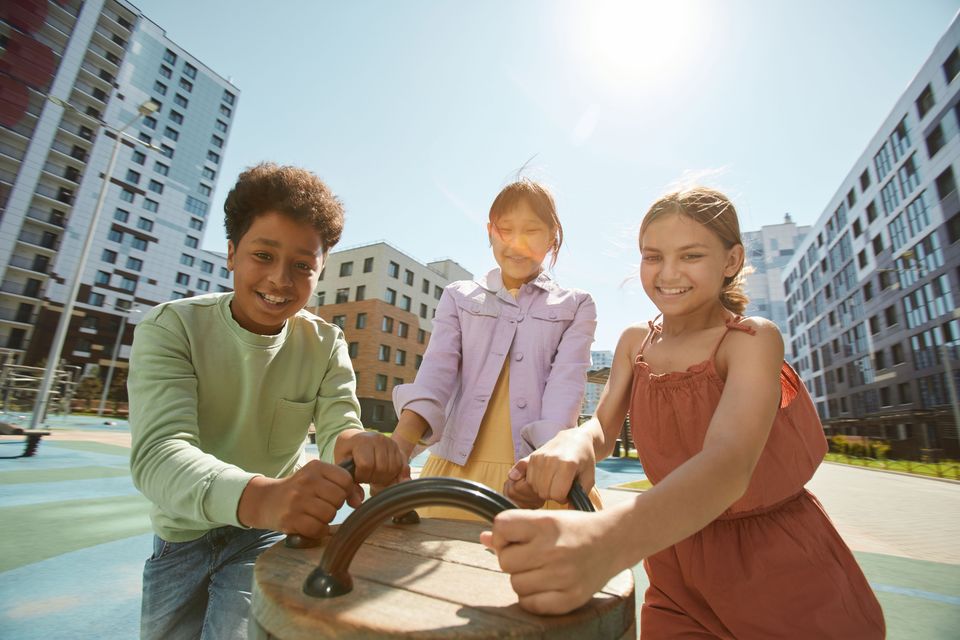
Moving today.Ready to learntomorrow.
Who this helps
Sensory and movement sessions can help if your child:
- Is always on the move, crashing, jumping or climbing
- Avoids movement, playgrounds or feels unsure on their feet
- Is easily overwhelmed by noise, touch or busy places
- Finds it hard to calm down after big feelings
- Seems clumsy or has trouble with balance and coordination
- Finds it hard to sit still and focus
- Needs a safe place to play that fits the way they move
- Is autistic, has ADHD, dyspraxia (DCD) or another diagnosis
These signs don’t mean something is wrong. They mean your child may benefit from support built around how they move and feel.

Inside our sensory gym
- Swings for calming, organising and building balance
- Climbing walls and frames for strength, planning and confidence
- Crash mats and soft play for safe, full-body input
- Balance equipment for coordination and body awareness
- Quiet space for calming down and resetting
What we do
- Sensory regulation sessionsMovement and play that help your child feel calm, alert and ready, whatever their sensory needs.
- Motor skills and coordinationBuilding balance, strength, body awareness and movement planning through play.
- Therapy in the sensory gymOccupational therapy sessions that use the gym to work on your child’s individual goals.Occupational Therapy
- Small group movement sessionsPlay and movement with other children, building social and motor skills together.
- Home sensory strategiesSimple activities you can use at home to help your child stay regulated through the day.
How it works
A clear, supportive path from your first question to your child’s first swing.
First conversation
Tell our team what you’ve noticed. We’ll help you decide if sensory and movement support is the right place to start.
Assessment
An occupational therapist looks at your child’s sensory needs, movement and coordination.
Parent feedback
We explain what we found, answer your questions and talk through options.
Individual goals
Together, we set clear goals that matter for your child’s daily life.
Getting comfortable
Your child explores the gym at their own pace. No pressure, no rush.
Sessions
Guided movement and play in the sensory gym, focused on your child’s goals.
Home strategies and progress review
We share activities for home, check progress together and adjust goals as your child grows.
Additional support, when needed
If helpful, we can involve our paediatric team, other therapists or, with your consent, your child’s school.
Why families choose CFN
Purpose-built for different minds
Designed for children who need to move, not adapted from a regular play space.
Guided by therapists
Every session has a purpose, led by our therapy team.
Meet our teamSafe and supervised
Equipment chosen and set up for children’s safety, with a therapist at every session.
Your child leads the play
Children learn best when they’re having fun and feel in control.
Part of one team
Sensory work connects with your child’s therapy, home and school support.
Connected care, beyond the sensory gym
If your child needs more than sensory and movement support, other CFN services are available as part of one plan.
Paediatrics
Developmental and behavioural assessment, diagnosis and ongoing care.
Speech & Communication
Helping children communicate, connect and express themselves in ways that work for them.
Occupational Therapy
Supporting independence, sensory regulation, movement and everyday skills.
Psychology
Supporting emotional wellbeing, behaviour, relationships and family life.
Parent Support & Learning
Practical strategies, education and resources for families.
Teacher’s Aide in School
Trained teacher’s aides to support your child in the school environment.
Courses for parents
Learn at your own pace, with video and written lessons made for busy families.

Frequently asked questions
Is this open play or therapy?
Sessions are guided by our therapy team and built around your child’s goals.
Does my child need an assessment first?
In most cases, yes. It helps us choose the right activities for your child.
Does my child need a diagnosis?
No. Sensory and movement support is based on your child’s needs, with or without a diagnosis.
My child is easily overwhelmed. Will the gym be too much?
We go at your child’s pace. Sessions can be quiet, calm and gentle, and the gym is never crowded.
What should my child wear?
Comfortable clothes they can move in.
How often are sessions?
Frequency depends on your child’s goals and is agreed with you in their plan.
How much do sessions cost?
Fees depend on the type of session. Contact us for current pricing.
You don’t have to figure out the next step alone.
Tell us what you’ve been noticing. We’ll listen, answer your questions and help you find the right support for your child.